
"mineral flavor coffee"
4000 article(s) found

What are the benefits and effects of Starbucks' same Oatly oatmeal milk and its difference from milk on the human body?
Oatmeal milk is a dairy-free substitute for milk. It is suitable for people who are allergic, dairy intolerant or follow a plant-based or vegan diet. Oatmeal milk is a good source of vitamins and minerals, including calcium, and manufacturers usually add vitamin B12. Qianjie will focus on the potential health benefits of oatmeal milk and study

World Coffee Map-- A Collection of Information on Coffee producing areas in El Salvador, Central America
Professional barista exchanges please pay attention to the coffee workshop (Wechat official account cafe_style) the active volcanic activity brings mineral-rich volcanic ash to the country. The soil dominated by volcanic ash contains more minerals and less organic matter. Therefore, in order to maintain the geographical location and make up for the lack of organic matter, farmers in the country will use the pulp residue of the treated coffee beans or the organic matter under the coffee trees.

Description of Tanzanian Coffee Flavor with Chocolate aftertaste introduction to the characteristics of roasting area
Tanzania is rich in mineral resources. By 2014, the major minerals identified include gold, diamond, iron, nickel, phosphate, coal and various gemstones, ranking fifth in Africa in total. Tanzania also has huge natural gas reserves. According to official data released by Tanzania, Tanzania has proven natural gas reserves of 44 trillion cubic feet, and the total reserves are expected to be at least

What is the effect of water quality on coffee? what's the difference between espresso and hand-made coffee?
In the early morning, I looked at the leaking coffee slowly into the pot and counted the cup of coffee in front of me as my daily drink. after all, a cup of coffee is nearly 98% water. At the same time, this means that brewing water has a great impact on the flavor and quality of coffee, if you are eager to make incomparably delicious coffee, use the right water. Through working with Ivan Mora (now La Col), a barista in Madrid

What kind of water is used to make coffee? the quality of coffee is very important.
According to research, the proportion of water in a cup of coffee is about 98.5% 99%, and the substance extracted from coffee accounts for only 1% 1.5%, so water is a very important factor in determining the taste of coffee. Of course, the taste of coffee is also related to many factors: raw beans, roasting and making. In fact, not all water is suitable for making coffee. When we drink mineral water and pure water,

What are the ingredients of milk? analysis of elements in milk
Professional coffee knowledge exchange more information about coffee beans Please pay attention to the composition of milk in the coffee workshop (Wechat official account cafe_style). If served with a biscuit or a cup of espresso, the milk is absolutely delicious. But what makes milk so attractive? Think of it this way: milk is essentially a nutritional supplement to calves. It is rich in all the necessary nutrients.
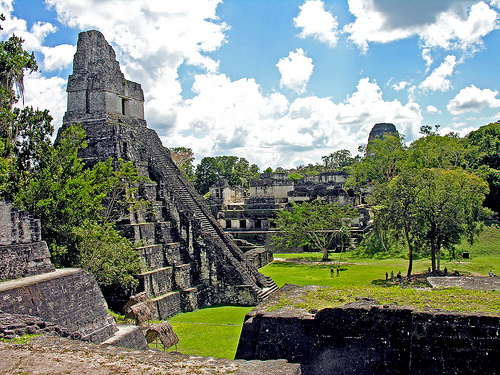
Introduction of boutique coffee manor: a detailed introduction of the characteristics and attributes of coffee in the eight major producing areas of Guatemala
The Ekatlago Valley is 2000 meters (6500 feet) above sea level, with dense shade and unique ecology. The nearby Fuego volcano erupts, making its coarse, sandy soil rich in a variety of minerals. Temperate sea breezes from the Pacific and a seasonal climate allow coffee in this region to be dried by sunlight and processed according to traditional family methods that have been accumulated over the years. [characteristics]

Introduction to boutique coffee manor: a detailed introduction to the characteristics and attributes of coffee in the eight major producing areas of Guatemala
The Guatemala Ekatran Valley in Guatemala is 2000 meters (6500 feet) above sea level, with dense shade and unique ecology. The nearby Fuego volcano erupts, making its coarse, sandy soil rich in a variety of minerals. Temperate sea breezes from the Pacific Ocean and a seasonal climate make coffee in this region dependent on sunlight drying for many years.

Brief introduction of coffee from eight major producing areas in Guatemala: Vera Coffee the producing area of Guatemalan Coffee
5. The Waiqiang Plateau (FraijanesPlateau): this area is of volcanic soil, with high altitude, sufficient rainfall and great humidity variation. Ash from Pacaya, Guatemala's most active volcano, provides important minerals for the soil in the region. There is plenty of sunshine in the dry season, and although the clouds and dew are heavy in the morning, they dissipate quickly. As a result, 100% of the coffee in the area is added to the sun.

Fresh Hawaiian Kona Coffee Flavor Taste the characteristics of the manor area introduce Hawaiian boutique coffee
The quality of the fine Kona coffee is suitable for the right geographical location and climate. Coffee trees grow on the slopes of volcanoes, and their geographical location ensures the altitude needed for coffee to grow; the dark volcanic ash soil provides the necessary minerals for coffee. This is probably due to the fact that Kona Island is rich in volcanic black mud with moderate acidity, rich mineral content and suitable water content. Parallel

Introduction to the varieties of rich and refreshing Tanzania coffee beans produced by grinding scale and regional treatment
The eastern coastal areas and inland lowlands of Tanzania have a savanna climate, while the western inland plateau has a tropical mountain climate, with an average temperature of 21-25 ℃ in most areas. More than 20 islands in Zanzibar have a tropical maritime climate, hot and humid all the year round, with an annual average temperature of 26 ℃. Tanzania is rich in mineral resources. As of 2014, major minerals identified include gold, diamond, iron,

The taste is rich and perfect. Kenya Berman Estate Coffee Flavor Description Grind Treatment Method Mouth
Kenya has a total population of 41.8 million (2013) and a population growth rate of 2.7%. There are 42 ethnic groups in the country, mainly Kikuyu (17 per cent), Luhia (14 per cent), Kalenjin (13 per cent), Luo (10 per cent) and Kamba (10 per cent). In addition, there are a small number of Indians, Arabs and Europeans. Kenya's mineral deposits mainly include soda ash, salt, fluorite, limestone,

The flavor of Kenyan coffee is still strong. Introduction to the taste of fine coffee with grinding degree.
Kenya has a total population of 41.8 million (2013), with a population growth rate of 2.7 per cent. There are 42 ethnic groups in the country, including Kikuyu (17%), Lucia (14%), Kalenjin (13%), Luo (10%) and Kangba (10%). In addition, there are a small number of Indo-Pakistani, Arab and European Kenyan mineral deposits, mainly soda ash, salt, fluorite, limestone,
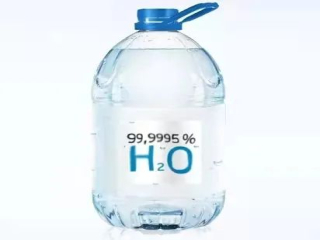
Is coffee for water quality as low as possible? What is the water quality requirement for coffee brewing? ppm?
Qianjie wrote in a previous article that if you want to realize the freedom of making coffee at home, you have to prepare a budget of more than 1,000 yuan. A set of easy-to-use coffee utensils can make you get twice the result with half the effort, while the quality of coffee beans determines the upper and lower limits of coffee flavor. For beginners, water quality is often overlooked. I believe that many beginners
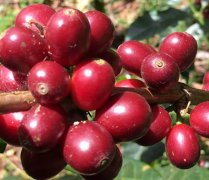
Composition analysis of coffee beans, details of food safety label
Professional barista communication please follow the coffee workshop (Wechat official account cafe_style) raw beans (unit: percentage) moisture: 11.3 fat: 11.7protein: 11.8sugar: 8.0essence: 17.1 caffeine: 1.3tannic acid: 6.0mineral: 4.2crude fiber: 28.6cooked bean moisture: 2.5fat: 13.2protein: 12.8sugar: 1.8essence

Introduction of American Hawaiian coffee beans with moderate acidity of volcanic black mud
The quality of the fine Kona coffee is suitable for the right geographical location and climate. Coffee trees grow on the slopes of volcanoes, and their geographical location ensures the altitude needed for coffee to grow; the dark volcanic ash soil provides the necessary minerals for coffee. This is probably due to the fact that Kona Island is rich in volcanic black mud with moderate acidity, rich mineral content and suitable water content. Parallel

How to cook coffee beans can you cook coffee beans directly? how to choose the water used to make coffee?
Professional coffee knowledge exchange more coffee bean information Please pay attention to the coffee workshop (Wechat official account cafe_style) about 88% of espresso is water, and the proportion of water in filtered coffee is as high as 98%. You must first understand that not all water is of the same quality. The quality of brewing coffee should be neutral and tasteless, not all water tastes the same.

Detailed analysis of low molecular weight sugars in coffee beans
Moisture: the water content of coffee beans varies greatly with different processing stages and products. The moisture content of wet coffee beans with film is about 50%, while that of dried raw coffee beans is about 10%-13%. The water content of roasted coffee beans is only less than 5%. The existence of water in coffee beans is the same as other kinds of food and beverages, because it contains a considerable amount of hydration colloid macromolecules.

Detailed Analysis of Coffee Bean ingredients basic knowledge of Fine Coffee
Moisture: the water content of coffee beans varies greatly with different processing stages and products. The moisture content of wet coffee beans with film is about 50%, while that of dried raw coffee beans is about 10%-13%. The water content of roasted coffee beans is only less than 5%. The existence of water in coffee beans is the same as other kinds of food and beverages, because it contains a considerable amount of hydration colloid macromolecules.
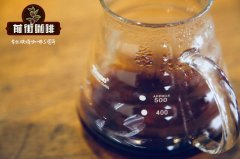
How much water do you know we use to make coffee every day?
Professional coffee knowledge exchange more coffee bean information Please follow the coffee workshop (Wechat official account cafe_style) Carbonate system generally refers to the factors related to water quality: TDS, hardness (GH), pH value, buffer index (KH), metal content, especially calcium and magnesium. In order to test the use of water for brewing coffee, the above factors and their interactions must be fully taken into account when evaluating the use of water for brewing coffee.